

Kernza?
It's a perennial wheat!

Scientists in Salina, Kansas are developing a perennial wheat that could revolutionize agriculture.
Wheat is the world’s most widely grown crop. Throughout history, wheat has been an annual crop, meaning that farmers plant a field, harvest a crop, clean up the field and months later plant the empty field with next year’s crop.
Preparing the field requires a lot of machines for harvesting and removing debris from last season’s crop, and once the field is replanted, there are other machines for ploughing, herbicide treatment and seeding and fertilizing.
All this heavy machinery moving through the field is a major disruption of the soil and the beneficial fungi, bacteria and other vital soil creatures. It’s these unseen creatures that make soil nutrients available to the plants. In addition, turning the soil brings weed seeds to the surface and once exposed to the sun, they flourish and grow and are then treated with more herbicides.
An agricultural nonprofit called The Land Institute in Salina has been developing a perennial wheat they call Kernza, which once planted, is harvested multiple times. Kernza has very long roots that extract nutrients and water from deep in the soil.
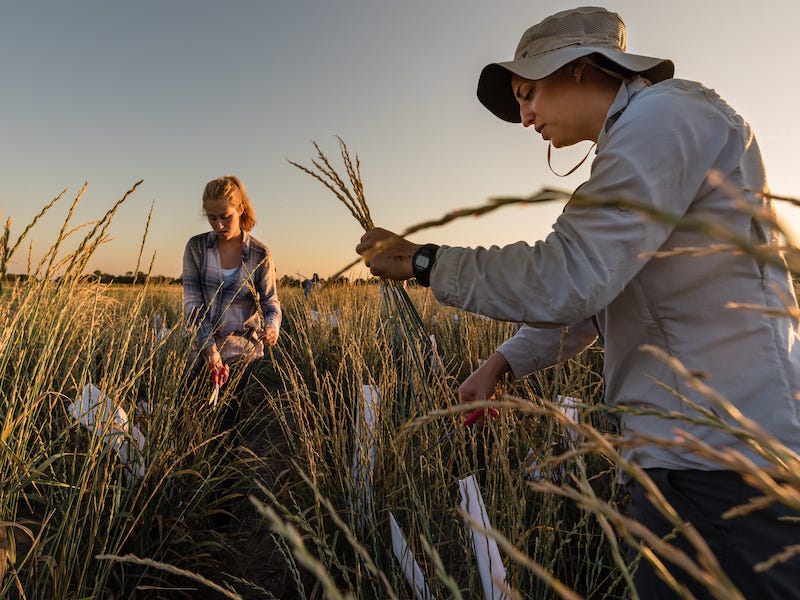
Scientists are working on increasing the yield of Kernza, but while still being developed, Kernza is being grown in fifteen US states. The seeds and flour are used in a range of products, from beers to breakfast cereals. I have used Kernza flour in making bread and was delighted with the result.
The Land Institute is also working to develop other perennial crops such as oil seeds and pulses.This is because perennial food crops would massively reduce agriculture’s environmental impact. Perennials would limit soil erosion, build soil health, limit runoff of nutrients and toxic chemicals, cut fertilizer and pesticide use, and store carbon in soils
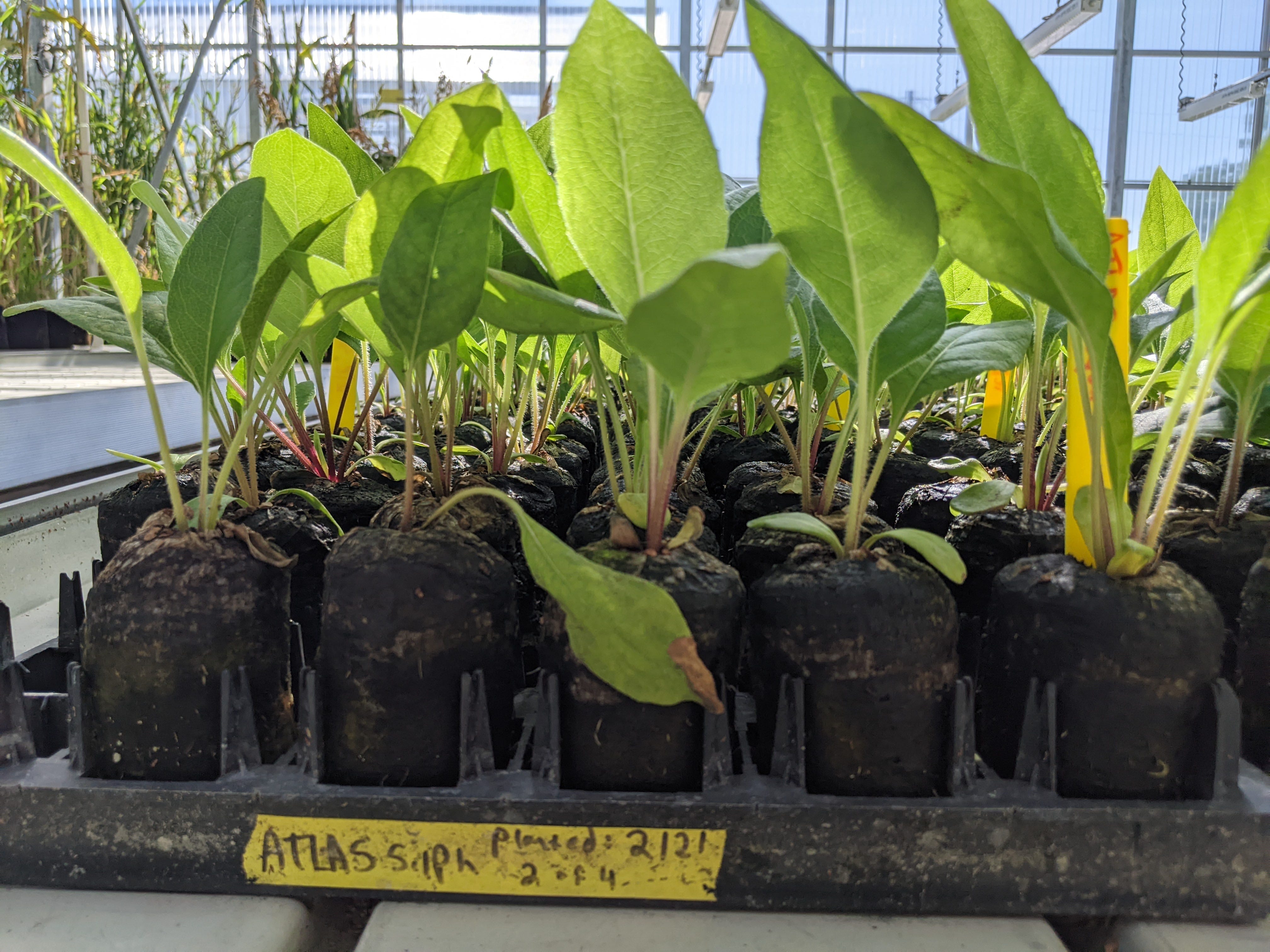
If you see Kernza beer, or a cereal containing Kernza, give it a try! I think you’ll be pleased, and you’ll be contributing to a very worthwhile effort for all of agriculture.
Sources:
https://kernza.org/wp-content/uploads/Kernza-timeline-bklt_WEB.pdf